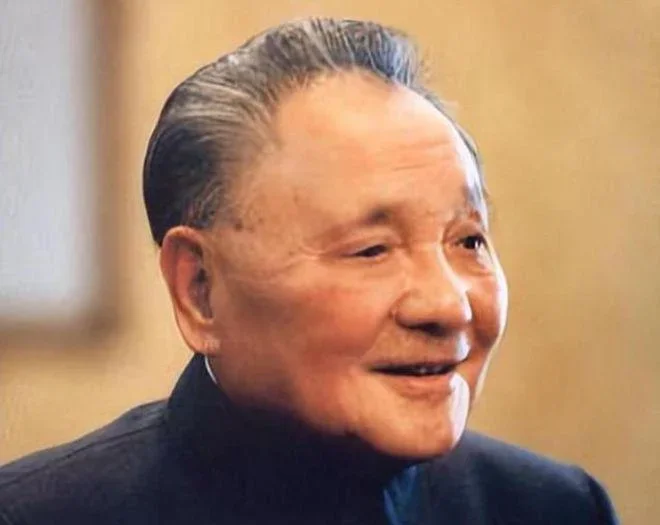
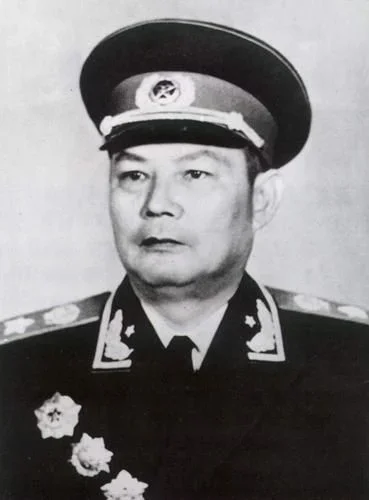
One of the most intriguing aspects of this historical episode is that, before the decision was made, the opinions in the meeting room were far from unanimous. Ye Jianying shook his head, and Su Yu was not in favor. The weight these two military figures carried goes without saying.
At the time, Ye Jianying was in charge of the daily operations of the Central Military Commission. He spoke slowly and methodically, but every word struck a crucial point. His repeated question was the same: China’s national economy had just begun to recover, and the Four Modernizations were only just starting. Could the country bear the burden of a war at this moment? Having overseen military budgets, he knew the country’s financial situation well. His opposition was strategic—it was about timing.
Su Yu saw things from a different angle. Although he was no longer leading troops on the front lines, everyone knew the caliber of his military instincts.
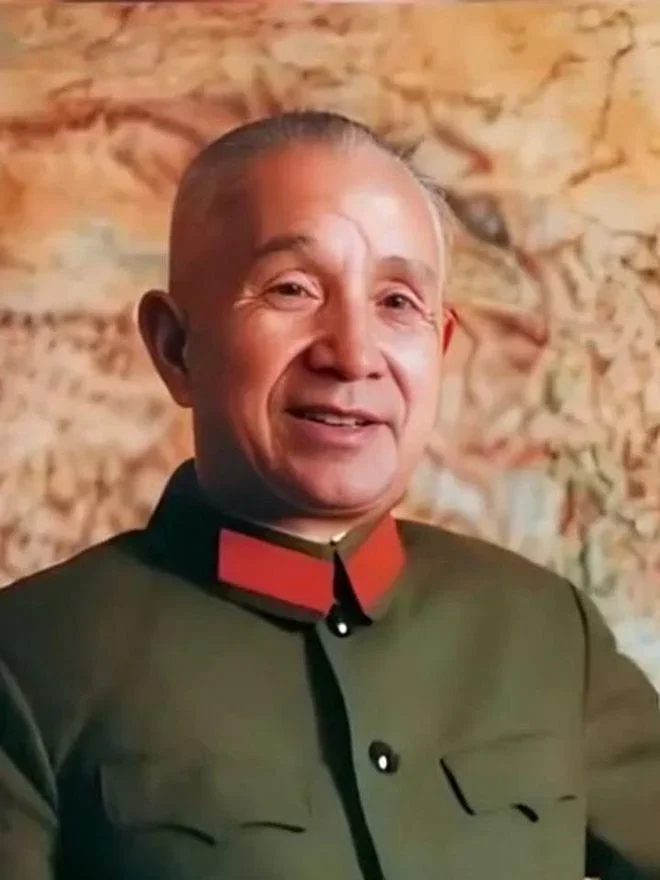
He had studied Vietnam’s terrain in depth: rugged mountains, dense forests, heavy rain, and poor roads. The Vietnamese military had been fighting on their home turf for decades, and jungle warfare was their specialty. The supply lines from Guangxi and Yunnan were even more problematic—heavy equipment could not be fully deployed, and a stretched supply chain would cause problems. He also raised a point rarely mentioned: much of the Vietnamese military’s equipment was originally supplied by China, meaning they had a deep understanding of Chinese military tactics. Fighting an enemy that knows your playbook adds a whole new layer of difficulty. Su Yu wasn’t against fighting; he was against fighting hastily.
Both senior generals—one from a strategic perspective and the other from a tactical one—urged caution, both pointing to the same direction of restraint.
But Deng Xiaoping was weighing a much bigger chessboard. In January 1979, he traveled to the United States and disclosed his intentions in the Oval Office with Jimmy Carter. This was a deep move. At that time, the Soviet Union had a million troops stationed along the Sino-Soviet border, and in the south, it was using Vietnam as a pawn, putting China under three-front pressure. By going to Washington, Deng was telling Moscow that China had established contact with the other side, and simultaneously showing Western nations, just as China was opening up, a display of resolve.
Another layer of consideration: the People’s Liberation Army had not fought a large-scale modern war for over a decade. Its organizational structure, equipment, training, and command systems all needed a real test under fire.
After the final decision was made, the reaction of Ye Jianying and Su Yu was truly admirable. They did not cling to their objections or walk away. Ye signed necessary documents during the preparation and execution of the campaign, attended required meetings, and never once complained.
Su Yu’s response was even more touching. Although he did not go to the front, he repeatedly studied the reports coming back from the battlefield. The difficulties he had warned about—jungle combat challenges, stretched supply lines, strong Vietnamese resistance—all materialized during the war. After the conflict ended, he never said “I told you so.” Instead, he quietly wrote internal assessments to help the General Staff summarize the lessons.
The course of events later proved that the judgments of all three senior leaders were correct in their own ways. The economic impact Ye had feared was absorbed by the strong momentum of the reform and opening-up in the 1980s. The military problems Su had warned about were all exposed on the battlefield: outdated equipment, poor communications, rusty infantry-armor coordination, and a lack of combat experience among junior officers. These hard lessons became the driving force behind Deng Xiaoping’s push for military modernization.
The sweeping reduction of one million troops in the mid-1980s—still remembered by many—was not a random decision. It was backed by the profound lessons learned from the war in 1979.
A retired general who participated in the post-war summary was once asked privately whether Ye and Su were right in their objections. After a long pause, he replied: “None of them was wrong. They were just standing on different mountains.” That is a well-put observation. Truly mature decision-making does not suppress dissenting opinions; it listens to the risks seen from different peaks and then makes the final call.
The debates in Beijing’s meeting rooms in the first few months of 1979, in retrospect, reflected a rare atmosphere—senior generals dared to speak their minds, the top leader was willing to listen, and once a decision was made, everyone pulled together as one.