

It’s that time of year again when the Scottish Premiership divides into two groups of six teams, sparking immediate debates over which side benefits most from the final five matches.
The decision isn’t random or computer-generated. The SPFL, in consultation with broadcast rights holders seeking the best live TV matchups and police forces, makes the final call.
While the “who plays whom” is predetermined, the “where and when” depends on numerous variables that must be carefully weighed—often leaving the SPFL open to accusations of bias, favoritism, or even conspiracy.
Reacting to Tuesday’s post-split fixture announcement, Hearts head coach Derek McInnes acknowledged that some fans would be disappointed the usual practice—giving the league leaders at the split a home game on the final day—wasn’t followed. However, he conceded that pleasing all 12 clubs and their supporters is an impossible task for the SPFL. So how is everything decided?
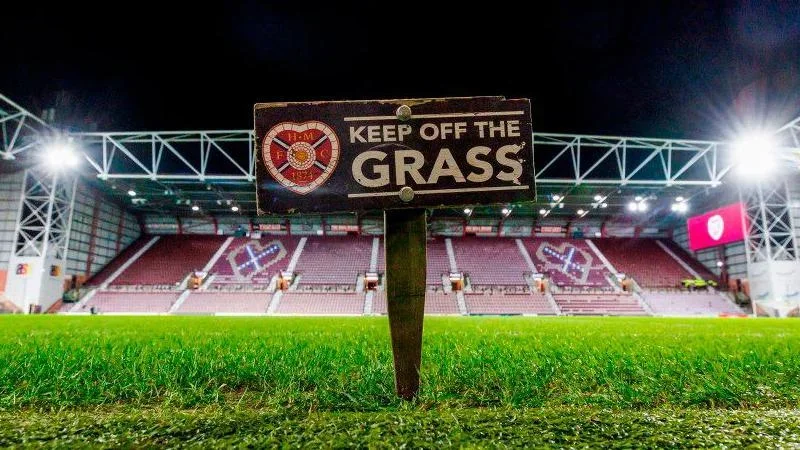
**Why the Split Exists and What It Means**
Previously, as the Scottish Premier League, the top flight featured 10 clubs playing 36 games—meeting four times each. That was ideal. But when the division expanded to 12 teams in 2000-01, a 44-game season was deemed too long. So an innovative split was introduced after three rounds of matches. The top six then played five more games among themselves, and the bottom six did the same.
This ensured the top six competed for the title and European qualification, while the bottom six fought to avoid automatic relegation or the relegation/promotion playoff against a Championship side.
Upon releasing the fixtures, the SPFL noted that the split typically adds excitement, with clubs battling for a top-six place until the 33rd fixture—though Falkirk secured the final spot with a game to spare this time. Still, cleaving the division in two after 33 matches can create some anomalies.
**Do All Clubs Play an Equal Number of Home and Away Games?**

Clubs play 16 or 17 home games in the 33 pre-split fixtures, followed by a minimum of two and a maximum of three home matches after the split. Ideally, they should finish with 19 home and 19 away games, but that’s not always possible—and this marks the second consecutive season with an imbalance.
When setting the initial fixtures, the SPFL tries to predict which clubs will end up in the top six and bottom six to minimize this scenario. But this season, promoted Falkirk overperformed and sit sixth. As a result, they will play 20 home games, while Livingston will have 18.
Not ideal, but the SPFL explained that the adjustment was made to limit wider disruption. With Falkirk five points adrift of Hibernian, an extra home game is unlikely to affect European qualification. And Livingston having one fewer home game matters little given they are virtually relegated already. The Scottish top flight has experienced such a 20/18 scenario in nearly half of its seasons.
**Does That Cause Other Imbalances?**
Yes. It also means some teams face certain opponents three times at home and once away, or vice versa—prompting howls of complaint. Such fixture reversals have occurred every season since the split was introduced in 2000-01. This time, there are four reversals in the top six. Falkirk will host Rangers…